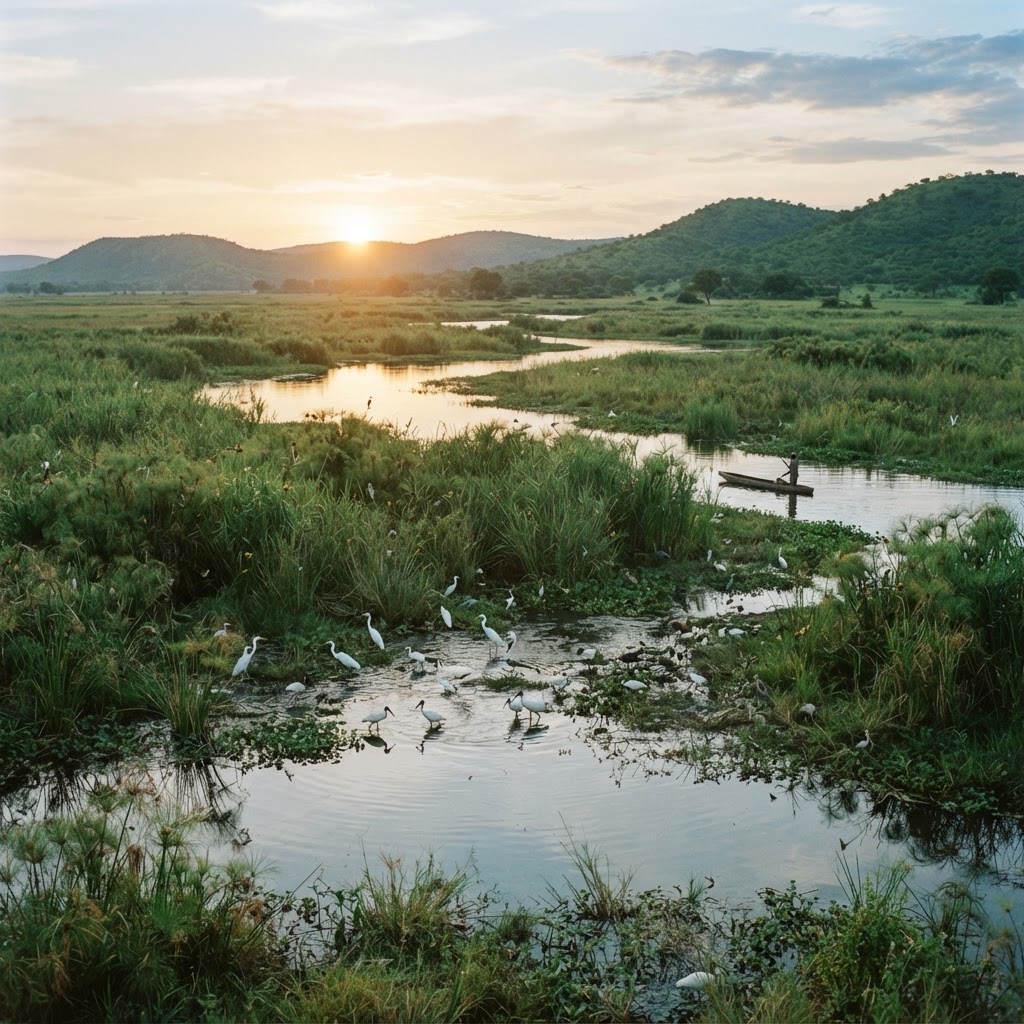
An Interconnected Environmental System.
Waste, water, resources and energy managed as one cycle rather than isolated streams.
Motion Concepts views the environment as one interconnected system. Waste, water, resources and energy are not separate problems — they are parts of a single cycle that must be managed together.
An ecosystem approach means looking at how each part affects the others: how waste becomes a resource, how water connects to sanitation, how energy connects to recovery, and how resilience and sustainability hold the system together.
This page brings together the environmental systems that form the Motion Concepts ecosystem.
One ecosystem, connected end to end.
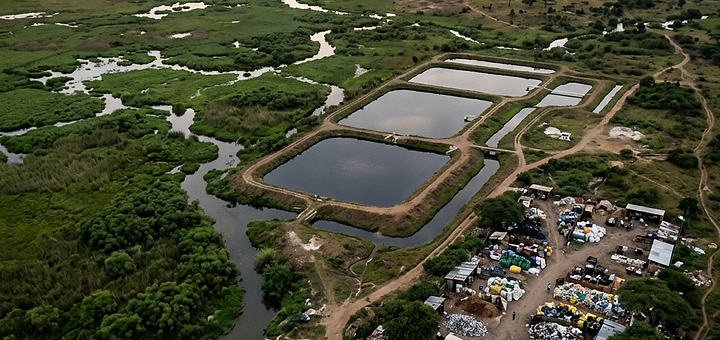
The Environmental System
The environmental system connects waste, sanitation, water, resources and energy. Each part affects the others.
Waste management creates opportunities for material recovery. Material recovery supports recycling. Recycling contributes to circularity. Sanitation connects with wastewater. Water management creates opportunities for recovery and reuse. Organic waste can connect with energy recovery.
The systems are interconnected — and so are the solutions.
Circular Economy
Instead of allowing resources to follow a straight path — Extract → Produce → Use → Dispose — the objective is to explore systems that allow resources to remain productive for longer: Use → Recover → Process → Reuse → Regenerate.
Circularity can apply to materials, water, organic resources, energy, construction materials and industrial resources. The appropriate approach depends on the specific material and project.
Water
Water is part of the same ecosystem. The traditional approach is Use → Discharge. A more resource-conscious approach considers Use → Collect → Treat → Recover → Reuse.
Where appropriate and technically feasible, this can reduce unnecessary resource loss. Water is treated as part of the environmental infrastructure system rather than a completely separate issue.
Resilience
A resilient environmental system should not only work under normal conditions. It should be able to adapt, respond and recover when conditions change.
This means considering climate pressures, water stress, extreme weather, infrastructure vulnerability and operational continuity during planning — not only after a disruption occurs.
Sustainability
Sustainability is how the ecosystem is operated over time. It balances environmental responsibility, practical implementation and long-term value.
The objective is not to claim that every activity is already fully sustainable. It is to continuously identify better, more responsible and more resource-efficient ways of doing things.
Resource Recovery
Resource recovery identifies useful materials, energy or other resources within waste streams and finds appropriate pathways for their recovery.
Potential areas include material recovery, organic recovery, water recovery and energy recovery — always approached according to technical feasibility, environmental requirements and commercial viability.
From waste to regeneration.
Waste
Resources
Recovery
Reuse
Regeneration